We use cookies, including cookies from third parties, to enhance your user experience and the effectiveness of our marketing activities. These cookies are performance, analytics and advertising cookies, please see our Privacy and Cookie policy for further information. If you agree to all of our cookies select “Accept all” or select “Cookie Settings” to see which cookies we use and choose which ones you would like to accept.

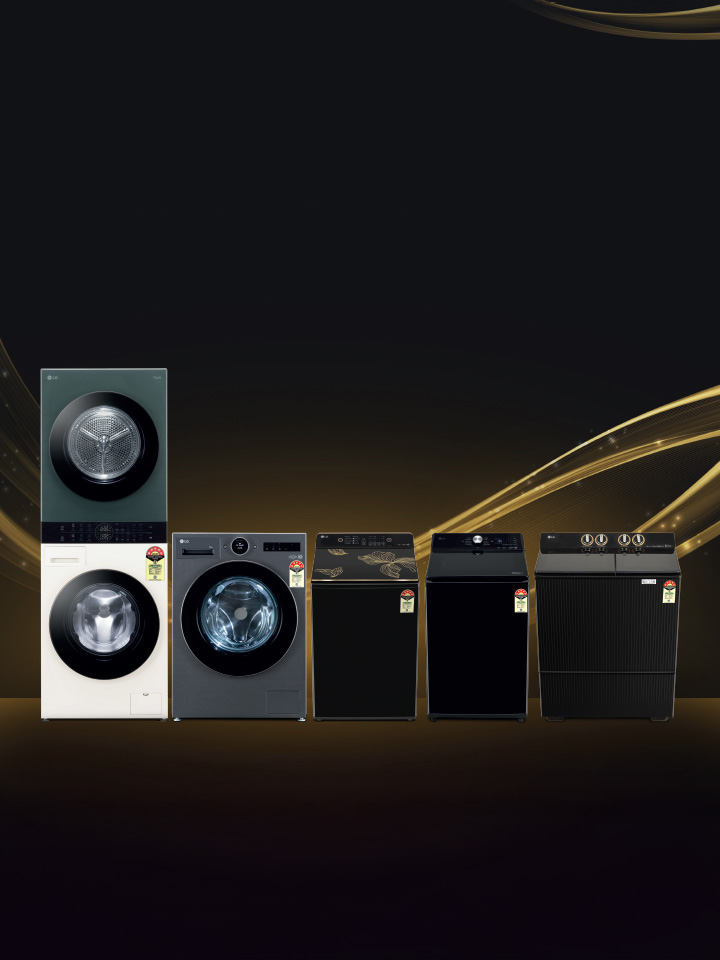
Fully Automatic vs Semi-Automatic Washing Machines:
You have shortlisted three machines, watched two YouTube reviews that contradict each other, and still do not know which type to buy. One says fully automatic. Another says a semi-automatic is more practical for Indian homes. Neither explains why.
This guide will explain, not with a spec table dressed as advice, but with real context on how these machines behave, which type fits which household, and what to check before the next sale.
What Are You Really Choosing Between?
This is a choice between two philosophies of washing, not just two price points.
- Fully automatic: Load clothes, press start, and come back to clean laundry. The machine handles water level, cycle time, and rinsing.
- Semi-automatic: You stay involved — fill the wash tub, run the cycle, move clothes to the spin tub manually. More effort, but far more control.
- Water Usage: The Reality Nobody Explains Properly
| Machine Type | Avg. Water/Wash* | Model Number |
| Semi-Automatic | 17L/Kg/cycle | P8035SRAZA |
| Top-Load Fully Auto | 17.24L/Kg/cycle | T80KMMB3Z |
| Front-Load Fully Auto | 7.2L/Kg/cycle |
*As mentioned in the BEE sticker of the model mentioned. Water consumption values are indicative and based on BEE‑declared figures for the models stated. Actual consumption may vary depending on load size, program selected, water pressure, and usage conditions.
Convenience: But Whose Convenience?
Fully automatic is more convenient. But for whom, exactly?
Fully automatic suits you if:
- You leave home early and return late with no time for laundry
- You want zero involvement — load, press, done
- You use delay-start to run washes overnight or while at work
Semi-automatic suits you if:
- You manage large family loads spread across the day
- You want to wash one tub while the other spins — simultaneously
- You are in a Tier-2/3 city where repair turnaround times matter
Common To Both Washing Machines
Most Indian households wash mixed loads in the same week: school uniforms with grease, synthetic sarees, cotton kurtas, gym clothes. Both washing machines help you with mixed loads .
Other Benefits:
- Soak a stubborn collar longer without running a full new cycle
- Give delicate fabrics a lighter spin to prevent stretch or damage
- Handle bigger loads, ensuring less effor
Side-by-Side: Which Machine Fits Which Household
| Factor | Semi-Automatic | Fully Automatic |
| Daily involvement | High — water + manual transfer | None — load and go |
| Best for load size | Standard daily loads | Medium to large loads |
| Water supply situation | Irregular or tanker-dependent | Consistent municipal supply |
| Repair ease in Tier-2/3 cities | Easy, cheap parts | Harder, costlier service |
| Price range in India | 7,000 to 15,000 rupees | 30,000 to 150000 rupees |
| Long-term running cost | Lower | Moderate to high |
Who Should Buy What
Buy a semi-automatic if:
- Water supply is irregular or tanker-dependent
- You are in a Tier-2/3 city where service support is limited
- You want a lower upfront cost and simpler long-term maintenance
Buy a fully automatic top-loader if:
- You want zero involvement in the washing process
- You have a consistent water supply and good pressure
Buy a fully automatic front-loader if:
- Long-term energy and water efficiency is your priority
- You regularly wash mixed fabrics, including delicates
- You are in a metro with accessible brand service centres
Final Decision for Your Laundry
A great deal on the wrong machine is still the wrong machine. Before you add to the cart during the next sale:
- Check service availability first. Does the brand have a centre in your city? A 3,000 rupee discount means nothing against a 4,000 rupee callout fee.
- Energy rating matters more than the discount. A 5-star machine saves more over five years than you saved on sale day.
The Bottom Line
The LG Convertible Microwave Oven range is built around a simple but powerful idea, Indian homes deserve an appliance that cooks the way Indian families actually eat.
Rotisserie grilling for the weekend BBQ. Air-fried samosas on a weekday. Explore LG convertible microwave ovens now.
Features may vary from model to model. Visit lg.com/in/microwave-ovens for the full range.
FAQs
A. The best way to understand this is not as a price difference but as a difference in philosophy of washing. A fully automatic machine handles everything — water level, cycle time, and rinsing — so you load clothes, press start, and come back to clean laundry with zero involvement. A semi-automatic requires you to stay involved: you fill the wash tub, run the cycle, and manually move clothes to the spin tub.
A. According to BEE-declared figures for LG models, a front-load fully automatic machine uses significantly less water — approximately 7.2 litres per kg per cycle (model FHP1412Z5O) — compared to both a semi-automatic (approximately 17L/kg/cycle, model P8035SRAZA) and a top-load fully automatic (approximately 17.24L/kg/cycle, model T80KMMB3Z)*.
In short, if long-term water efficiency is a priority, a fully automatic front-loader is the most water-efficient of the three types.
*Please note that water consumption values are indicative and based on BEE-declared figures; actual consumption may vary depending on load size, programme selected, water pressure, and usage conditions.
A. Yes, and the article is direct about this. A semi-automatic machine is better suited to households where water supply is irregular or tanker-dependent, because you control when and how much water goes in — you are not relying on a consistent municipal supply the way a fully automatic machine does. It is also the more practical choice in Tier-2 and Tier-3 cities where repair turnaround times matter.
A. Two things matter more than the discount itself. First, check service availability — does the brand have a service centre in your city? For example, ₹3,000 discount means nothing against a ₹4,000 callout fee. Second, prioritise energy rating over price. A 5-star machine saves more money over five years than you saved on the sale day.
A. Most Indian households wash mixed loads in the same week — school uniforms with grease, synthetic sarees, cotton kurtas, and gym clothes. Both semi-automatic and fully automatic machines help with mixed loads. Key capabilities that both types offer include the ability to soak a stubborn collar longer without running a full new cycle, give delicate fabrics a lighter spin to prevent stretch or damage, and handle bigger loads with less effort. However, if you regularly wash mixed fabrics including delicates and are based in a metro with accessible service centres, a fully automatic front-loader is the recommended choice.